


jl7 | Exploring the World of Simulation Games
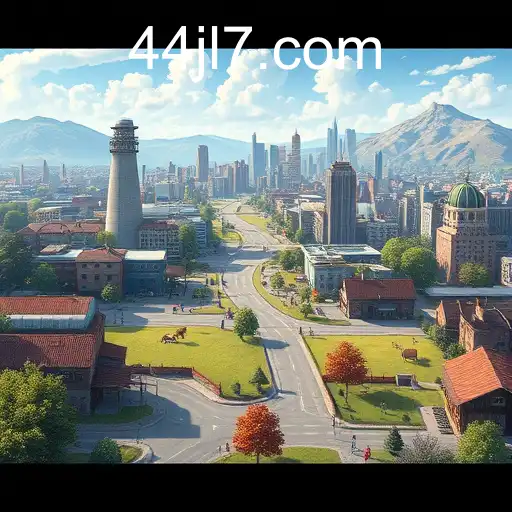
Simulation games have long captivated players with their ability to mimic real-world activities in immersive and interactive ways. The category of 'Simulation Games' is vast, encompassing a variety of sub-genres that offer players the chance to engage in activities and scenarios that replicate real life. From the simple pleasures of growing crops on a farm to the complexity of managing the intricate operations of a bustling metropolis, simulation games provide a playground for imagination and skills.
In recent years, the popularity of simulation games has soared, driven by advancements in game development technology that allow for more detailed graphics and more realistic gameplay mechanics. These games appeal to a wide demographic, from casual players seeking a relaxing diversion to serious gamers looking for a challenge.
Central to the allure of simulation games is the element of control they offer. Unlike many gaming genres that may involve elements of fantasy or combat, simulation games often place the player in positions of responsibility, oozing with realism. For example, in flight simulators, players can take the controls of a virtual airplane, learning the intricacies of piloting an aircraft, navigating airspace, and managing in-flight conditions.
City-building games, another popular sub-genre, allow players to don the hat of an urban planner or mayor. Titles such as 'SimCity' and 'Cities: Skylines' challenge players to develop infrastructure, manage resources, and balance the needs of a growing population. These games test strategic thinking and planning skills, as players work to develop thriving urban environments.
Life simulation games, like 'The Sims', offer another compelling aspect of simulation gaming, granting players the power to shape the lives and destinies of virtual avatars. Players are tasked with managing everything from their virtual characters’ careers and relationships to their day-to-day activities, creating a microcosm of life itself.
Moreover, the sub-genre of business simulation games, where players run a company or even a theme park, add another layer of complexity. These games often require a deft touch in resource management, financial planning, and strategic decision-making.
Simulation games also often serve an educational purpose. Flight simulators, for example, are frequently used in the training of real-world pilots. Similarly, many city-planning simulators can provide insights into urban development and infrastructure challenges, illustrating real-world problems and potential solutions.
As technology continues to evolve, the future of simulation games looks bright. With the advent of virtual reality, players can expect even more immersive simulation experiences. Whether it's the careful nurturing of a virtual farm, the bustling management of a city, or the high-flying exhilaration of piloting a plane, simulation games stand as a testament to the ever-expanding horizon of video gaming possibilities.
